
Animals Left Behind
Voices from ChernobylThis flow follows abandoned animals from the evacuation through their encounter with human caretakers, hunters, and a depopulated environment.
increasing Bearing strength in each event
 decreasing
Bearing strength in each eventdecreasingPets Left in Yards
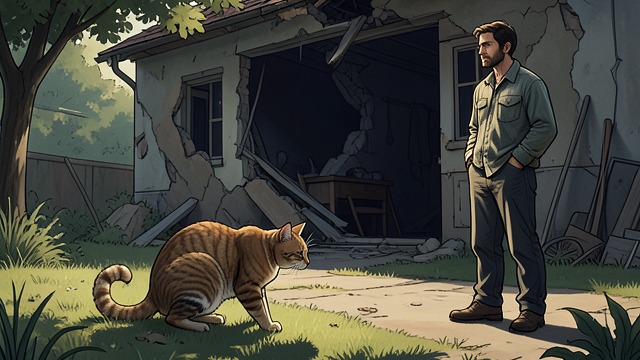
Pets Left in Yards
A Prohibited Companion
Residents were told not to take cats and dogs on evacuation buses. Some animals remained in yards and homes, waiting for people who would not return soon.
Abandonment in Plain Sight
The hurried departure turned domestic companions into casualties of an emergency managed around human transport. Their absence from official priorities became one of the disaster's lasting moral wounds.
A Neighbor Feeds Them
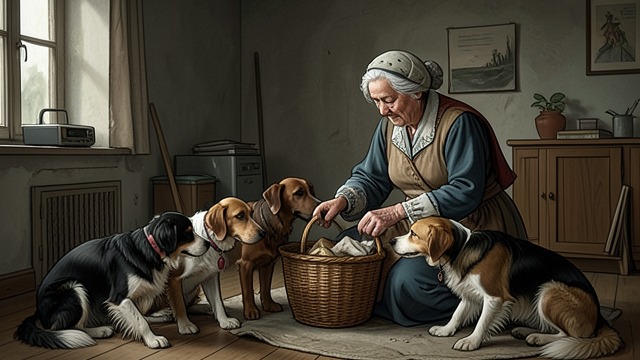
A Neighbor Feeds Them
Care After Departure
An elderly resident remained among empty houses and shared food with abandoned cats and dogs. Her small acts preserved a human relationship in a place being reorganized around danger.
Waiting for Return
The animals stayed near homes and appeared to expect their owners. Their waiting made the evacuation's promised short duration painfully visible.
The Culling Order
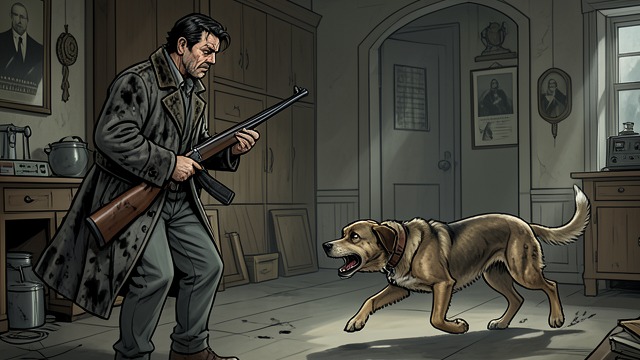
The Culling Order
Animals Classified as Risk
Authorities ordered hunters to kill pets in the zone, citing contamination and possible disease. The assignment required men to enter abandoned settlements with little protective equipment.
A Collision With Attachment
Dogs ran toward human voices, while hunters had to treat familiar behavior as a reason to shoot. The work forced people to confront the consequences of both evacuation and decontamination.
The Poodle in the Pit
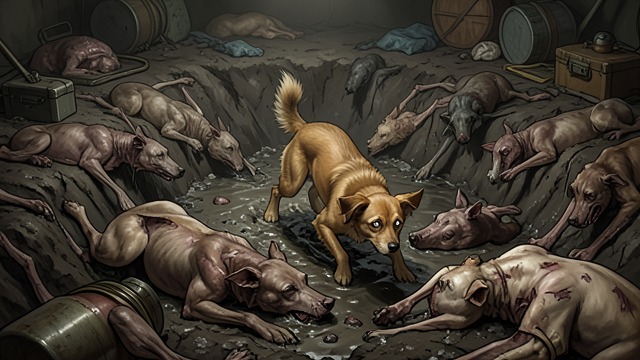
The Poodle in the Pit
A Failed Procedure
Hunters describe animals dumped into inadequate burial pits, sometimes still alive and crying. The disposal that was meant to control danger became a scene of avoidable suffering.
Memory That Remains
One small dog attempting to climb out stays with a hunter long after the assignment. His memory complicates the idea that repeated violence can be reduced to routine work.
Wild Neighbors Multiply
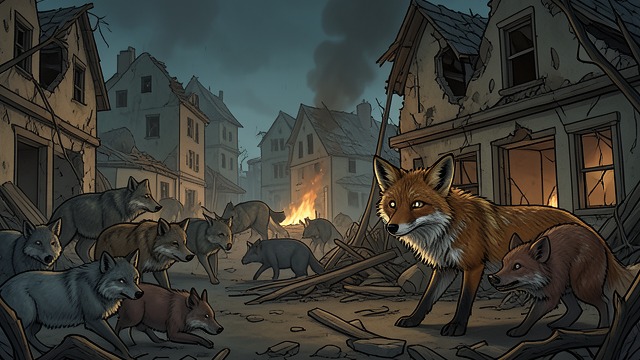
Wild Neighbors Multiply
Human Absence
Wolves, foxes, boars, and other animals occupied abandoned buildings and fields. The zone became an ecosystem shaped by both radioactive contamination and the disappearance of people.
A Changed Perspective
Some witnesses became more attentive to animals and plants after seeing what humans had done to them. Their testimony questions a cleanup narrative that counts human survival while overlooking other life.
During the evacuation of 1986
The first days after evacuation
The months after April 1986
During the animal cull
Several years after the evacuation
